
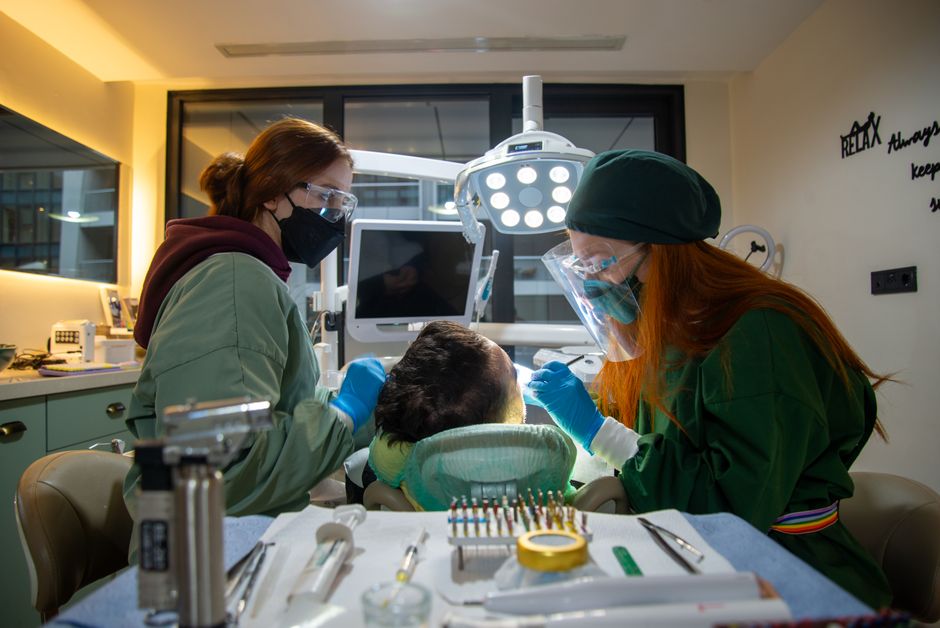
If you are searching for a dentist near me because you have noticed a change in your mouth, this page provides general information about discussing your concern with a dental professional. It does not determine a diagnosis, how urgently you need care, or whether a concern can wait.
A qualified dental or medical professional must assess your individual circumstances and advise on timing and the appropriate care setting.
Use this short guide to keep track of a conversation with the dental team: the questions you asked, the answers you received and points you still need clarified. For examples of details you can describe, see describing a dental concern. For questions about assessment findings, see the assessment discussion guide. The emergency dental service page provides the practice service information.
Dental concerns you may want to discuss
The following are examples of concerns people may describe to a dental team. They are not a checklist for deciding whether something is an emergency.
- Tooth pain: What the pain feels like and when it began.
- Swelling in the mouth, face, or jaw: Where you have noticed swelling and any changes.
- Bleeding in the mouth: Where and when you noticed bleeding.
- A broken, cracked, or knocked-out tooth: What happened and when the injury occurred.
- Other changes in the mouth: Anything you have noticed that you would like the dentist to assess.
- Difficulty chewing: How the concern affects eating or biting.
- A loose adult tooth: Which tooth feels loose and when you noticed it.
- A persistent bad taste or concern about drainage: A description of what you have noticed.
Questions about assessment and appointment timing
A dental team can explain how to arrange an appointment. Questions about the cause of a symptom, its urgency, and the appropriate care setting require assessment by a qualified professional.
The office can confirm current appointment availability and explain its booking process. Availability alone does not establish whether waiting for an appointment is appropriate for an individual concern.
Who can answer questions about your concern?
A qualified dental or medical professional can assess your concern and discuss the findings. General online information cannot provide an individual diagnosis or care plan.
Keeping notes from your conversation
When contacting the office, describe the concern in your own words and ask what information the team needs to arrange a visit.
Question I asked: ____ Answer received: ____ Point to clarify: ____ Who can clarify it: ____
Details such as when the concern started, changes you have noticed, and how it affects daily activities may be useful during the conversation. Questions about medication, first aid, or care while awaiting an appointment belong with a qualified professional.
Recording questions and answers about the assessment
An appointment provides an opportunity to ask the dentist about the assessment, any findings, and any proposed care. The dentist can explain what the findings mean for your individual circumstances.
Questions may cover the purpose of a proposed treatment, available options, fees, and follow-up arrangements. Recommendations about treatment and timing should come from the qualified professional assessing your concern.
Contacting Nordic Dentistry
If you are looking for a general or emergency dental appointment, the dental services page provides information about the practice’s services. The practice team can answer questions about its booking process and current appointment availability.
This page provides general information for contacting the dental team. A qualified professional must advise on the appropriate next steps for your individual concern.