
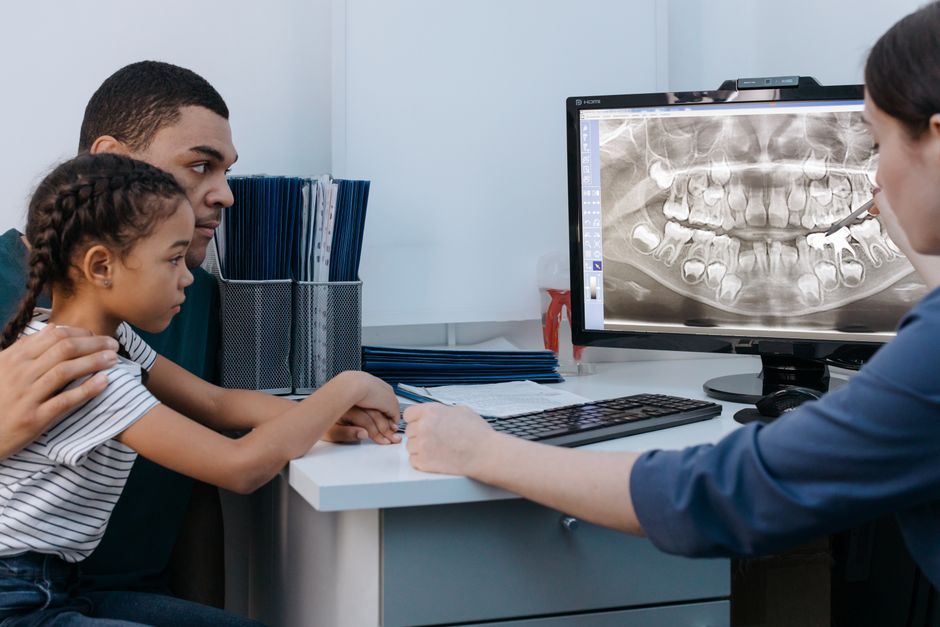
Your toddler’s first dental appointment can feel like a big milestone. If you are looking for support from a family dentist Kitchener parents can trust, a calm and simple approach can help make the visit feel more familiar and less overwhelming. The goal is not to “perfectly” prepare your child, but to introduce the visit in a way that suits their age and communication needs.
Many parents find that a little planning goes a long way. These toddler dental visit tips focus on keeping the experience positive and age-appropriate, while helping your child build comfort with dental care over time.
Why the first dental visit matters
A first appointment gives your toddler a chance to become familiar with the dental setting, the chair, and the people who help care for teeth. For parents, it is also a chance to ask questions about routine dental care and what to expect as your child grows.
Early visits can help children become more comfortable with dental appointments as part of normal health care. Keeping the tone relaxed and routine-based can make a difference, especially for young children who are still learning what to expect from new experiences.
How to prepare your toddler for their first dental appointment
Preparation works best when it is simple. Toddlers do not need a detailed explanation. Instead, use short, positive language and keep the experience predictable.
Talk about the visit in plain language
Before the appointment, explain that the dentist will look at their teeth and count them. You can say that the dental team helps keep smiles healthy. Simple phrases are often easier for toddlers to understand than long explanations.
Avoid using words that may create worry, such as “hurt” or “scary,” unless you are responding to a specific concern and can reassure your child calmly.
Read books or show pictures about going to the dentist
Stories and pictures can help children become familiar with what a dental visit looks like. Seeing another child sit in a dental chair or open their mouth for a check can make the idea feel more normal.
If your child likes pretend play, you can also let them “check” a stuffed animal’s teeth. This kind of play can help toddlers feel more prepared without turning the visit into something stressful.
Choose the right time of day
When booking, ask about available appointment times and share any scheduling preferences. The office can explain any preparation instructions for the planned appointment.
Bring comfort items
Many toddlers do better when they have something familiar nearby, such as a small toy, blanket, or other comfort item. If allowed by the dental office, this can help your child feel more secure in a new setting.
What parents can do during the visit
Children often look to their parents for cues. If you stay calm and positive, your toddler may be more likely to feel reassured.
- Use a steady, encouraging tone.
- Keep explanations short and simple.
- Let the dental team guide the visit.
- Offer praise for cooperation, even in small moments.
It can also help to avoid overexplaining every part of the appointment. Toddlers usually do best when they know enough to feel prepared, but not so much that the experience becomes confusing or intimidating.
Preparing kids for the dentist: helpful habits before the appointment
When it comes to preparing kids for the dentist, parents can collect questions about daily dental care to discuss with the dental team. Individual home-care instructions should come from a qualified dental professional.
You do not need to make the appointment into a major event. In many cases, presenting it as a normal part of health care can help toddlers accept it more easily.
What to expect emotionally
It is normal for toddlers to be shy, quiet, curious, or unsure in a new setting. Some children warm up quickly, while others may need more time. A first dental visit is often about introduction and comfort, not perfection.
If your child becomes upset, that does not mean the appointment was a failure. Parents can ask the dental team about pauses and how the appointment may be adapted for their child. Parents can help by staying patient and avoiding pressure.
When to ask the dental team questions
Your child’s first appointment is a good time to ask about general dental care for young children. You may want to ask about what to expect at future visits or how to support healthy habits at home. If you are unsure about anything during the appointment, it is reasonable to ask the dental professional for guidance.
If you have concerns about your child’s comfort, behaviour, or oral health, speak with a dental professional rather than trying to self-diagnose or manage a problem on your own.
Conclusion
Your toddler’s first dental appointment does not need to be complicated. With simple preparation, calm language, and familiar routines, you can help your child approach the visit with more confidence. The most helpful toddler dental visit tips are often the simplest ones: keep it positive, keep it predictable, and let the dental team help guide the experience.
If you are looking for a family dentist Kitchener families can contact for routine dental care, consider reaching out to Nordic Dentistry to learn more about booking a first appointment. A brief conversation with the office can help you plan a visit that feels comfortable for your child and appropriate for your family’s needs.
For related reading, see our other content on family dentistry in Kitchener and pediatric dentistry in Kitchener.