
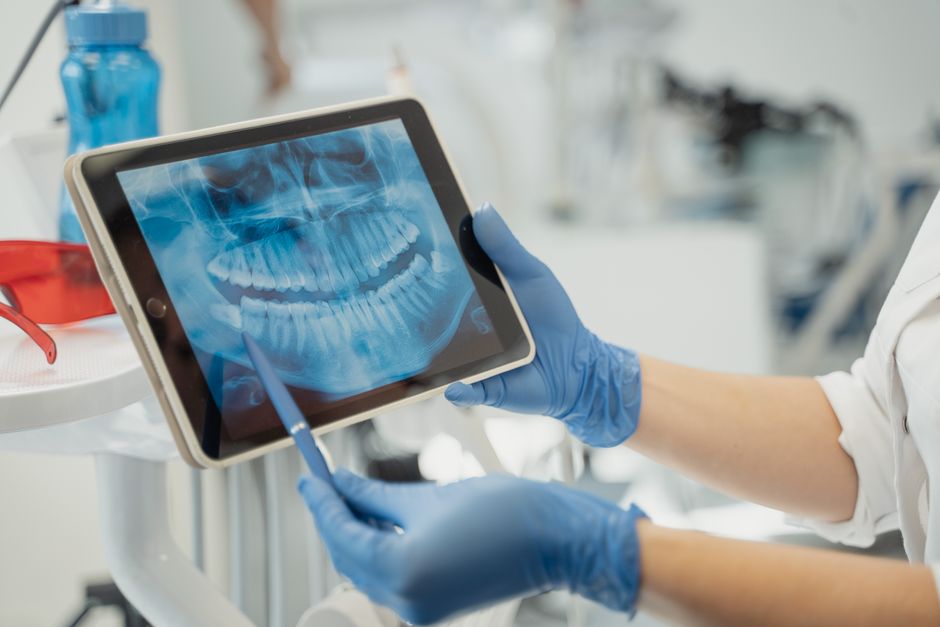
A broken tooth can raise questions about assessment, treatment and appointment timing. If you are searching for an emergency dentist near me, the office can explain its services and current availability. A qualified dental or medical professional must assess an individual concern to advise on urgency and the appropriate care setting.
Who Determines Treatment Timing?
Treatment timing depends on an individual clinical assessment. Online descriptions cannot establish a diagnosis, predict the required treatment or determine whether it is safe to wait. The Canadian Dental Association provides general oral-health information; advice about your circumstances should come from a qualified professional.
This guide outlines questions to discuss with the dental team, information to share when contacting the office and the appointment process. It does not set a treatment deadline or provide home-care instructions.
Discussing the Timing of an Appointment
The dental team can explain how to discuss a concern with a clinician and how appointment requests are handled. The clinician assessing the concern can explain the proposed timing and the reasons for that recommendation.
When searching for an emergency dentist near me, check the practice location, services and contact arrangements. An available appointment slot is separate from a clinical recommendation about when and where to receive care.
Discussing a Broken Tooth with a Professional
When contacting the dental team, describe what happened and what you have noticed in your own words. You do not need to choose a diagnosis or treatment before speaking with the clinician.
Relevant history gives the clinician context for an assessment. Let the team know if you are unsure about any detail, and ask how further questions will be handled.
Details to Share with the Dental Team
- When you first noticed the change
- What happened before you noticed it
- The location and appearance of the area of concern
- Any pain, sensitivity or other changes you have noticed
- Previous dental work or relevant history
Questions Before a Dental Visit
Ask the dental team how to obtain instructions tailored to your circumstances before the appointment. Any advice about interim care or handling a tooth fragment should come from the qualified professional assessing the concern.
The office can confirm registration requirements, directions and what information or existing records to bring. It can also explain how to contact the team if you have further questions before the visit.
Discussing Assessment Findings
After an assessment, ask the dentist to explain their findings and what remains uncertain. A discussion of proposed care can include its purpose, possible benefits, risks, alternatives and limitations.
If additional appointments or a referral are proposed, ask who would provide the care and how it would be arranged. The office can explain estimated fees and booking requirements before treatment.
What to expect at the dental visit
At the visit, the dental professional can review your history, examine the area of concern and discuss the findings. Ask what any proposed examination or test involves and why it is being recommended.
Any treatment or follow-up recommendation should reflect the individual assessment. Ask the dentist to explain the plan and the reasons for its proposed timing.
Finding an Emergency Dentist Near You
If you are searching for an emergency dentist near me, ask about the practice’s location, current availability, services and referral arrangements. The office can explain how to contact its dental team about your concern.
Patients in Kitchener seeking urgent help can review the emergency dentistry service page and contact the office to discuss their symptoms. Using the emergency dentistry service page can help you find the appropriate place to request an assessment.
Conclusion
Questions about a broken tooth require an individual professional assessment. Nordic Dentistry can explain its appointment process and services, while the assessing clinician advises on diagnosis, timing and appropriate care.
If you need guidance about a broken or cracked tooth, reach out to Nordic Dentistry to discuss your symptoms and arrange an appointment. For related concerns, your dentist may also discuss whether further treatment is needed based on the tooth's condition, including what to do if a dental crown falls out from a tooth that has already been restored.
Our guide to same-day dental appointment information explains questions about contacting a Kitchener dental office and confirming availability.
Information about our emergency dentist in Kitchener and dental restoration services is available on our site. Treatment suitability and timing depend on an assessment and current availability. The Nordic Dentistry homepage provides an overview of the practice.
One Reply on “Broken Tooth in Kitchener: Assessment and Appointment Questions”
Comments are closed.