
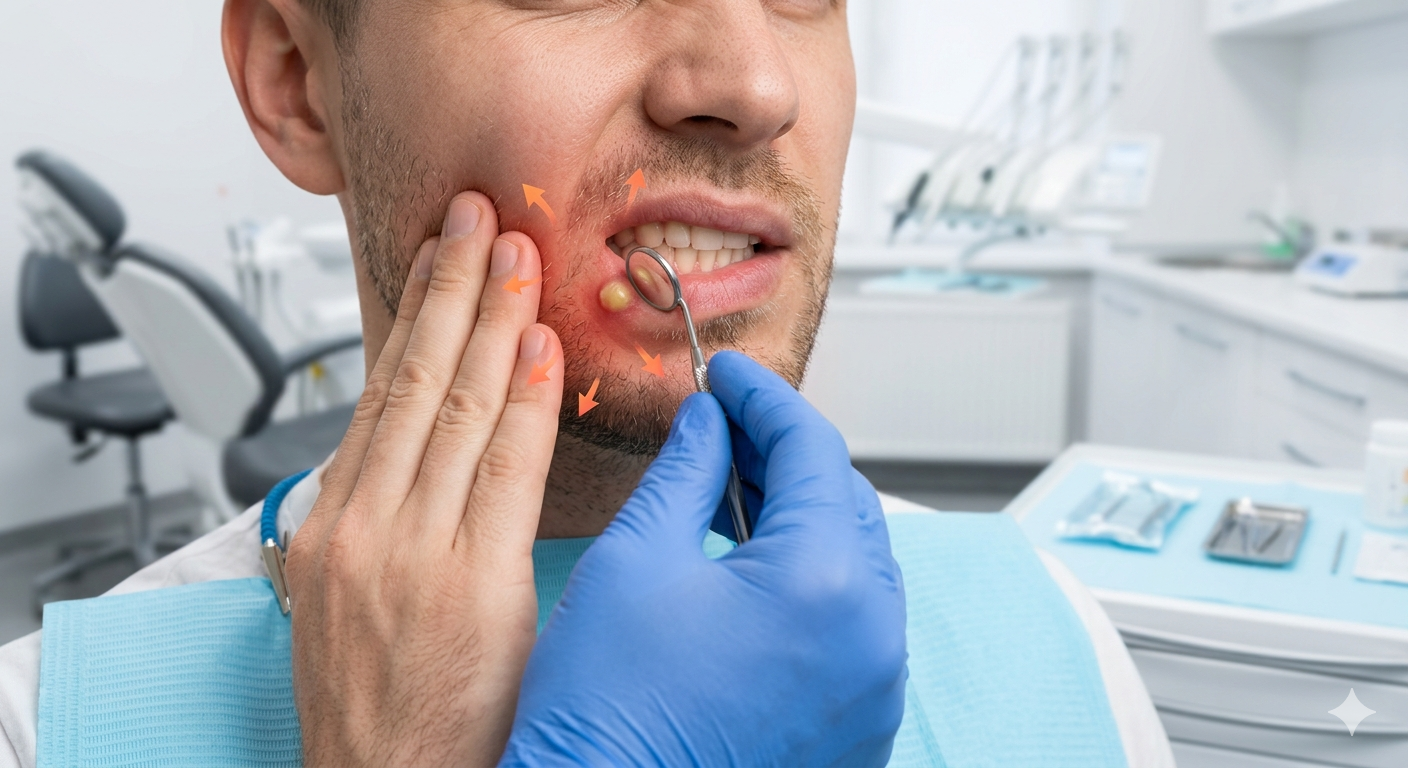
Dental Abscess Symptoms That Require Immediate Attention in Kitchener
A dental abscess is not the kind of tooth problem you should “wait out.” It usually means there is an infection around a tooth, gum, or jaw area, and when the pressure builds, the pain can become intense very quickly. More importantly, a dental abscess can spread if it is not treated properly.
If you are in Kitchener and dealing with severe tooth pain, swelling, or signs of infection, it may be time to contact a dentist right away. At Nordic Dentistry, we help patients understand what symptoms need urgent attention and what steps to take before the problem gets worse.
What Is a Dental Abscess?
A dental abscess is a pocket of pus caused by a bacterial infection. It can happen near the root of a tooth, inside the gums, or around supporting bone. Many abscesses start from untreated cavities, cracked teeth, gum disease, or previous dental trauma.
The tricky part is that an abscess may begin as mild discomfort, then suddenly become painful, swollen, and difficult to ignore. That is why knowing the warning signs matters.
Symptoms of a Dental Abscess You Should Not Ignore
Some dental pain can wait for a regular appointment. A dental abscess usually should not. The following symptoms may mean you need immediate dental care.
1. Severe, Throbbing Tooth Pain
One of the most common signs of a dental abscess is a deep, throbbing pain that does not go away. The pain may feel like pressure inside the tooth or jaw. It may become worse when biting, chewing, lying down, or drinking something hot or cold.
Pain from an abscess can also travel to the ear, jaw, neck, or side of the face. If the pain is strong enough to interrupt sleep, eating, or your normal day, do not ignore it.
2. Swelling in the Gum, Jaw, Cheek, or Face
Swelling is one of the biggest warning signs. You may notice swelling around one tooth, a swollen gum bump, or puffiness in the cheek or jaw. Sometimes the swollen area feels warm, tender, or tight.
Facial swelling can mean the infection is spreading beyond the tooth area. If the swelling is increasing quickly, or if it is affecting your eye, neck, throat, or ability to open your mouth, you should seek urgent care.
3. Fever or Feeling Generally Unwell
A tooth infection can sometimes affect more than just your mouth. Fever, chills, tiredness, or a general sick feeling may suggest your body is fighting an infection.
This is where people often make a mistake: they take painkillers, feel temporary relief, and assume the problem is improving. Pain relief does not remove the infection. A dental abscess needs proper diagnosis and treatment.
4. Bad Taste, Bad Breath, or Pus Drainage
A dental abscess may create a small bump on the gum that looks like a pimple. If it drains, you may notice a bitter taste, bad smell, or pus in the mouth. Sometimes the pain decreases after drainage because pressure is released.
That does not mean the infection is gone. It only means the abscess has found a way to drain. The source of the infection still needs dental treatment.
5. Sensitivity to Hot, Cold, or Pressure
Tooth sensitivity is common, but abscess-related sensitivity is often more intense and more persistent. You may feel sharp pain when drinking cold water, hot coffee, or when pressure touches the tooth.
If one tooth suddenly becomes very sensitive and the pain lingers, especially with swelling or throbbing, it should be checked.
6. Swollen Lymph Nodes Under the Jaw or Neck
Tender lumps under the jaw or along the neck may appear when the body is responding to infection. If swollen glands happen together with tooth pain, gum swelling, fever, or facial swelling, it may be connected to a dental abscess.
When Is a Dental Abscess an Emergency?
A dental abscess may require urgent dental care when you have:
- Severe tooth pain that does not improve
- Swelling in the face, jaw, or gums
- Fever or chills
- Pus, bad taste, or drainage from the gums
- Pain when biting or chewing
- Swollen glands under the jaw or in the neck
- Trouble opening your mouth
You should seek emergency medical attention immediately if you have difficulty breathing, difficulty swallowing, swelling spreading into the neck or throat, confusion, or rapidly worsening facial swelling. These symptoms may suggest the infection is spreading and should not be handled as a routine dental visit.
Can Antibiotics Fix a Dental Abscess?
Antibiotics may help control infection in some cases, but they usually do not solve the source of the abscess by themselves. The tooth or gum area still needs proper dental treatment.
Depending on the cause, treatment may involve draining the abscess, root canal therapy, deep cleaning around the gum, or removing a tooth that cannot be saved. The right treatment depends on the exam and X-rays.
What You Can Do Before Your Dental Appointment
While waiting to be seen, you can gently rinse with warm salt water, avoid chewing on the painful side, and use a cold compress on the outside of the cheek if there is swelling. Over-the-counter pain medication may help temporarily, but it should not replace dental care.
Do not place aspirin directly on the gum or tooth. It can irritate or burn the tissue. Also, do not try to pop, cut, or drain the abscess yourself.
Looking for Emergency Dental Care in Kitchener?
If you are searching for emergency dental kitchener ontario, Nordic Dentistry is here to help patients who are experiencing urgent dental pain, swelling, or possible infection.
Our clinic is located at:
Nordic Dentistry
465 Highland Rd. West, Unit 3 Kitchener, ON
Phone: (519) 208-4060
General Inquiries: info@nordicdentistry.com
If you need a dentist in kitchener ontario for a painful tooth, swollen gum, or suspected dental abscess, contact Nordic Dentistry as soon as possible. Early treatment can help prevent the infection from spreading and may improve the chance of saving the tooth.
Final Thought
A dental abscess is not just a toothache. It is an infection, and infections need attention. If your pain is severe, your face or gums are swollen, or you feel feverish or unwell, do not wait for the problem to disappear on its own. The sooner you get care, the better your options usually are.